Building Stamina Postpartum
Progressive overload and regaining cardiovascular health without burnout.
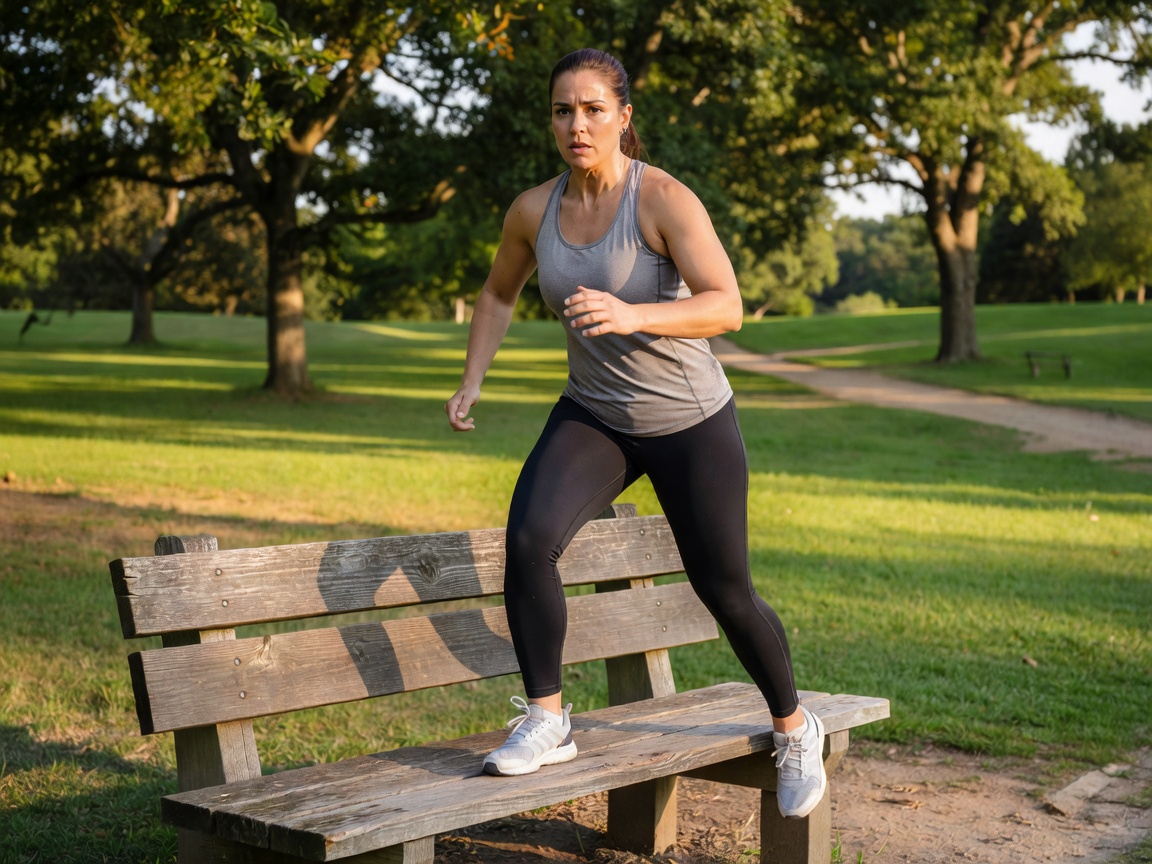
Transitioning to Higher Intensities
Once you have mastered the foundational core activations, established a base of gentle walking, and received medical clearance (typically around the 6 to 8-week postpartum mark, though later for some), you can begin to thoughtfully rebuild your stamina. Cardiovascular health and muscular endurance are essential for the physical demands of motherhood—from carrying car seats to chasing toddlers.
The golden rule for this phase is "Progressive Overload." This means gradually increasing the weight, frequency, or number of repetitions in your exercise routine to challenge your body incrementally. Jumping straight back into a high-intensity interval training (HIIT) class or a heavy lifting program can overwhelm weakened connective tissues.
Cardiovascular Progression
If you aim to return to running or higher-impact cardio, a structured return-to-run program is critical. The pelvic floor must be able to withstand the shock of impact.
| Phase | Activity Level | Symptom Monitoring |
|---|---|---|
| Weeks 6-8 | Brisk walking, stationary cycling (low resistance) | Zero pelvic heaviness or leaking. |
| Weeks 8-12 | Introduction of elliptical, light swimming, brisk incline walks. | Core feels stable; no lower back pain post-workout. |
| Weeks 12+ | Walk/jog intervals (e.g., 1 min jog, 2 min walk). | Immediate cessation if leakage or doming occurs. |
Strength Training Basics
Building muscular stamina is highly beneficial. Start with bodyweight exercises and slowly incorporate light resistance (dumbbells or resistance bands). Focus on functional movements that mimic daily life:
- Squats: Excellent for leg and glute strength. Mimics sitting down and standing up with a baby.
- Hinge Movements (Deadlifts): Essential for picking things up off the floor safely without straining the lower back.
- Rows: Strengthens the upper back to counteract the forward posture of nursing and carrying.
The Sleep Deprivation Factor
It is crucial to factor sleep deprivation into your workout intensity. On nights where sleep is severely fragmented, your cortisol levels are already elevated, and your ability to recover is diminished. Pushing through a grueling workout under these conditions is counterproductive and increases injury risk. On low-sleep days, swap a planned cardio or lifting session for restorative yoga, a long walk, or a nap. Flexibility in your routine is the hallmark of a sustainable postpartum fitness strategy.